Scent Work for Dogs
  • HOME
    • TRAINING AN INDICATION
  • CLASSES
    • CLASSES IN 2025
  • EVENTS
    • Sternberg/Zinn Workshop
    • Sue & Dana BIO
  • TRIALLING
    • IF IT WAS EASY WE'D QUIT
    • EQUIPMENT
    • REWARDS
    • START LINE
    • POSITION OF OFFICIALS
  • COMPETITORS
    • COMPETITORS BRIEFING
    • ALERT CALL
    • FOULING SEARCH AREA
    • HANDLING SW ODOURS
  • THE ELEMENTS
    • CONTAINERS
    • INTERIORS
    • EXTERIORS
    • VEHICLES
  • COMPARE SW
    • Comparison of Scent Disciplines
    • SW AND OTHER SPORTS
    • SW for FUN
  • RESOURCES
    • TRAINING AN INDICATION
    • BOOKS
  • CLASS VIDEOS
    • CONTAINERS
    • TINS ON THE WALL
    • ELEVATED ON WALL
    • START ROUTINE
    • LOG WALL CLASS 2
    • BEGINNERS - EVENING
    • CONTINUING BEGINNERS - EVENING CLASS
    • SKILL BUILDING - EVENING CLASS
  • EDUCATIONAL MATERIAL
    • TRAINING AN INDICATION
  • CONTACT US

BOYS WILL BE BOYS!
​(although the girls can be just as bad)

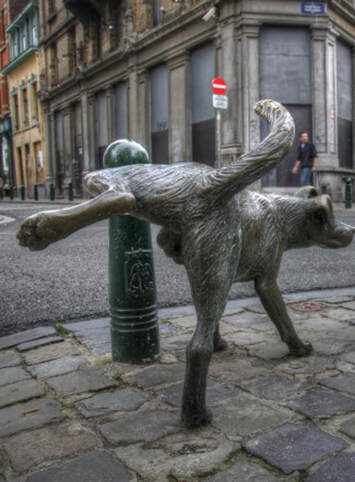
​​Is my dog on odour or is he about to pee? 
​
Fouling the search area is a non-qualifying fault in trials and you will be directed by the judge to leave the search area immediately should it occur.

It can also be very disruptive to the dogs that follow even though every effort will be made to return the area to its original condition before running subsequent dogs. 
 
To be less distracted by dog odour your dog needs to be more driven for target odour.

Here are some tips to avoid your dog fouling in the search area from Sue Sternberg's webinar P for Pronounced or Pee? available at Scent Work University.
​
  1. Learn to recognise the difference between sniffing and searching.
  2. Make target odour more valuable and more exciting by being more and more generous and trying different rewards.
  3. Clear up your handling: unclear handling or taking over the search causes stress and can cause your dog to disengage to sniff other things.
  4. Train during potty walks - not during nosework.
  5. Separate potty time from search time.  Crate or back in the car in between. 
  6. Look and sound different when you want your dog to eliminate.
  7. Interrupt your dog while they are sniffing dog-smells and teach them to come to you quickly and happily.
  8. Do high-value, reward-based training and practice in heavy potty areas.  If your dog can't concentrate there, you need more practice before you can expect it during nosework.
​​​
​​​Interrupt “pee” sniffing behaviour in searching and only reward focussed searching.  If dogs are allowed to urinate while searching it can become part of the behaviour chain and very difficult to re-train.
Picture
Difference between sniffing and searching
​

It can often be hard to tell whether some dogs are on odour or they are just about to pee, so sharp observation skills by the handler are required.

The following changes of behaviour are usually good indicators that the dog is about to pee:
  • the dog begins to move more slowly, then the dog's feet stop moving
  • nose maybe closer to the ground and almost stationary
  • active sniffing will occur
  • body will curve slightly as the dog prepares to swing their rump to the scent and mark.


Picture
Picture
Pine Rivers Dog Training Club acknowledges the ongoing support of the City of Moreton